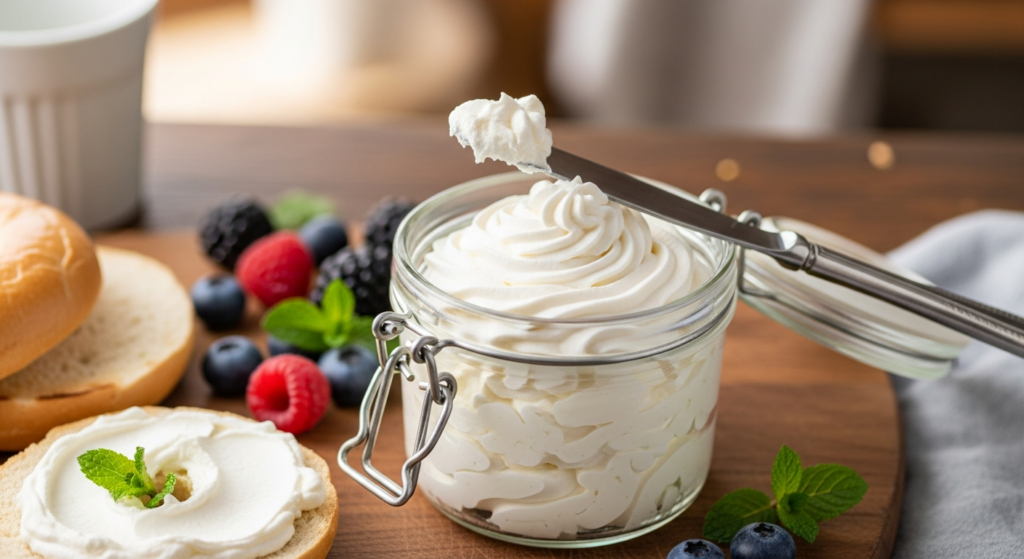
Whipped cream cheese has become a staple in modern kitchens thanks to its airy texture, rich flavor, and incredible versatility. Unlike traditional block cream cheese, whipped cream cheese is lighter, smoother, and easier to spread, making it a favorite for breakfast, baking, and savory dishes alike. Whether you are a home cook, a professional chef, or someone who simply loves experimenting with food, whipped cream cheese offers endless possibilities.
What Is Whipped Cream Cheese
Whipped cream cheese is a variation of regular cream cheese that has been aerated by whipping. During this process, air is incorporated into the cheese, resulting in a fluffier, lighter consistency. The ingredients are typically the same as standard cream cheese, including milk, cream, and stabilizers, but the texture is what sets it apart.
Because of its whipped structure, it feels less dense on the palate and spreads effortlessly on bread, bagels, crackers, and pastries. This makes whipped cream cheese especially appealing to those who enjoy cream cheese flavor without the heaviness.
How Whipped Cream Cheese Is Made
The process of making whipped cream cheese begins with traditional cream cheese. Once the cheese reaches a smooth and creamy state, it is whipped using mechanical mixers that force air into the mixture. This aeration increases volume and gives the cheese its signature lightness.
Some homemade versions may include a small amount of heavy cream or milk to enhance smoothness. Commercially produced whipped cream cheese often contains stabilizers to help maintain its fluffy texture over time. Regardless of the method, the goal remains the same: a soft, spreadable cheese with a luxurious mouthfeel.
Texture and Flavor Profile
One of the defining features of whipped cream cheese is its texture. It is noticeably softer and more pillowy than block cream cheese. This makes it ideal for spreading without tearing bread or bagels.
In terms of flavor, whipped cream cheese maintains the familiar tangy and slightly savory taste of classic cream cheese. However, because it contains more air, the flavor can feel lighter and less intense. This subtlety allows it to pair well with both sweet and savory ingredients, from fruit and honey to herbs and smoked fish.
Popular Uses of Whipped Cream Cheese
Whipped cream cheese is incredibly versatile and can be used in a wide variety of dishes. It is commonly enjoyed as a spread for breakfast items such as bagels, toast, and muffins. Its smooth texture makes it perfect for quick morning meals.
In baking, whipped cream cheese is often used for frostings, fillings, and cheesecakes where a lighter texture is desired. It blends easily with sugar and flavorings, creating silky results without much effort.
Savory applications are just as popular. Whipped cream cheese can be mixed with herbs, garlic, or spices to create dips, spreads, and sandwich fillings. It also works well as a base for sauces or as a creamy layer in wraps and appetizers.
Whipped Cream Cheese vs Regular Cream Cheese
While both types of cream cheese share similar ingredients, their differences lie mainly in texture, density, and usage. Regular cream cheese is dense and firm, making it ideal for recipes that require structure, such as baked cheesecakes.
Whipped cream cheese, on the other hand, is lighter and more spreadable. Because it contains more air, it often has fewer calories per serving by volume, though not necessarily by weight. This makes it appealing to those looking for a lighter option without sacrificing taste.
When substituting whipped cream cheese for regular cream cheese in recipes, it is important to consider volume differences, as whipped versions take up more space due to aeration.
Health and Nutritional Considerations
Whipped cream cheese can be a slightly lighter alternative to traditional cream cheese, especially when measured by volume. Since it is aerated, a tablespoon of whipped cream cheese may contain fewer calories and less fat than the same volume of regular cream cheese.
However, whipped cream cheese is still a dairy product that contains saturated fat and should be consumed in moderation. Some varieties also include added stabilizers or flavorings, so checking ingredient labels is always a good idea for those with dietary restrictions.
There are also reduced-fat and plant-based whipped cream cheese options available, catering to a wider range of nutritional needs and preferences.
Homemade Whipped Cream Cheese
Making whipped cream cheese at home is simple and allows full control over ingredients and flavor. By starting with softened cream cheese and whipping it with a mixer, you can achieve a fluffy texture in just a few minutes. Adding a splash of cream or milk can make it even smoother.
Homemade whipped cream cheese can be customized with sweet or savory additions such as vanilla, cinnamon, herbs, or roasted garlic. Freshly made versions are especially appealing for entertaining, as they offer a fresher taste and a more natural texture.
Storage and Shelf Life
Whipped cream cheese should be stored in the refrigerator, just like regular cream cheese. Commercially packaged versions typically have a longer shelf life due to preservatives and stabilizers.
Homemade whipped cream cheese should be consumed within a few days for best quality. Always store it in an airtight container to prevent it from absorbing odors or drying out. If the texture changes significantly or develops an off smell, it should be discarded.
Why Whipped Cream Cheese Is So Popular
The growing popularity of whipped cream cheese can be attributed to modern food trends that favor convenience, lighter textures, and versatile ingredients. Its ease of use makes it appealing for busy lifestyles, while its creamy flavor satisfies comfort food cravings.
Social media and food blogging have also played a role, showcasing whipped cream cheese in visually appealing recipes and quick meal ideas. Its adaptability across cuisines and meal types ensures it remains a favorite for both everyday eating and special occasions.
Conclusion
Whipped cream cheese is more than just a softer version of a familiar ingredient. Its light texture, smooth consistency, and balanced flavor make it a valuable addition to any kitchen. Whether spread on a warm bagel, folded into a dessert, or mixed into a savory dip, whipped cream cheese enhances dishes without overpowering them. With both store-bought and homemade options available, it offers flexibility, convenience, and creativity for cooks of all levels.
Frequently Asked Questions
What is the main difference between whipped cream cheese and regular cream cheese
The main difference is texture. Whipped cream cheese is aerated, making it lighter and easier to spread, while regular cream cheese is denser and firmer.
Can whipped cream cheese be used in baking
Yes, whipped cream cheese can be used in baking, especially for frostings and fillings. However, for recipes that require structure, regular cream cheese may work better.
Is whipped cream cheese healthier than regular cream cheese
Whipped cream cheese can have fewer calories per serving by volume due to added air, but nutritionally it is similar to regular cream cheese.
Can I make whipped cream cheese at home
Yes, homemade whipped cream cheese is easy to make by whipping softened cream cheese with a mixer until light and fluffy.
How long does whipped cream cheese last in the refrigerator
Store-bought whipped cream cheese lasts several weeks when unopened, while homemade versions should be consumed within three to five days.